

Effective Counselling and Therapy for Managing Anger and Behavioral Issues in Delhi
Anger and behavioral challenges can disrupt daily life, relationships, and overall well-being. Many people in Delhi face these struggles but hesitate to seek help due to stigma or lack of awareness. Fortunately, counselling and therapy offer practical ways to manage these issues and improve emotional health. This post explores how professional support in Delhi can help individuals regain control, understand their emotions, and develop healthier behaviors.
Understanding Anger and Behavioral Issues
Anger is a natural emotion, but when it becomes intense, frequent, or uncontrollable, it can lead to problems. Behavioral issues often accompany anger, including aggression, impulsivity, or withdrawal. These challenges affect people of all ages and backgrounds.
Common signs include:
Frequent outbursts or irritability
Difficulty managing frustration
Problems in personal or work relationships
Physical symptoms like headaches or tension
Acting out in ways that harm oneself or others
Recognizing these signs early is crucial. Without support, anger and behavioral problems can worsen, leading to stress, anxiety, or depression.
Why Counselling and Therapy Work
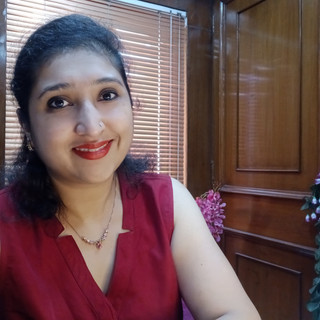
Counselling and therapy provide a safe space to explore emotions and behaviors with a trained professional. Unlike quick fixes, therapy addresses root causes and builds long-term skills. Book Session with Shruti Dey - Psychologist, Ashok Vihar, Delhi
Key benefits include:
Understanding triggers: Identifying situations or thoughts that spark anger
Learning coping strategies: Techniques like deep breathing, mindfulness, and communication skills
Changing thought patterns: Challenging negative beliefs that fuel anger
Improving relationships: Building empathy and conflict resolution skills
Enhancing self-awareness: Recognizing emotions before they escalate
Therapists use evidence-based approaches such as cognitive-behavioral therapy (CBT), dialectical behavior therapy (DBT), and anger management programs tailored to individual needs.
Types of Therapy Available in Delhi
Delhi offers a variety of counselling and therapy options for anger and behavioral issues. Choosing the right type depends on the severity of the problem, personal preferences, and goals.
Individual Therapy
One-on-one sessions focus on personal challenges and growth. Therapists help clients explore their feelings, identify patterns, and develop personalized coping tools. This approach suits those who want privacy and focused attention. Book Session with Shruti Dey - Psychologist
Group Therapy
Group sessions bring together people facing similar struggles. Sharing experiences reduces isolation and provides support. Group therapy also allows practicing social skills and receiving feedback in a safe environment.
Family Therapy
Behavioral issues often affect family dynamics. Family therapy involves multiple members to improve communication, resolve conflicts, and build stronger bonds. It helps everyone understand each other’s perspectives.
Online Therapy
For convenience and accessibility, many therapists in Delhi offer online counselling. This option suits busy schedules or those who prefer remote sessions. Online therapy maintains confidentiality and effectiveness.
Finding the Right Therapist in Delhi
Selecting a qualified therapist is essential for successful outcomes. Here are tips to find the right professional:
Check credentials and licenses
Look for experience with anger and behavioral issues
Read reviews or ask for recommendations
Ensure the therapist’s approach matches your needs
Consider logistics like location, fees, and availability
Many clinics and private practitioners in Delhi specialize in mental health and offer initial consultations to discuss treatment plans. Book Session with Shruti Dey - Psychologist in Ashok Vihar, Delhi
Practical Strategies to Complement Therapy
While therapy provides structured support, individuals can also practice daily habits to manage anger and behavior:
Practice mindfulness: Focus on the present moment to reduce impulsive reactions
Exercise regularly: Physical activity releases tension and improves mood
Keep a journal: Writing about feelings helps identify triggers and progress
Use relaxation techniques: Deep breathing, meditation, or yoga calm the mind
Set realistic goals: Small steps toward change build confidence and control
Combining these strategies with professional help creates a strong foundation for lasting improvement.
Real-Life Example
Consider Ramesh, a 35-year-old living in Delhi, who struggled with frequent anger outbursts at work and home. After starting individual therapy, he learned to recognize early signs of frustration and used breathing exercises to calm down. His therapist helped him reframe negative thoughts and communicate more effectively with colleagues and family. Over six months, Ramesh reported fewer conflicts and better emotional balance.
When to Seek Immediate Help
Some situations require urgent attention, such as:
Threats of violence or self-harm
Substance abuse linked to anger
Severe depression or anxiety alongside behavioral issues
In these cases, contacting mental health professionals or emergency services in Delhi is critical. Early intervention can prevent harm and provide necessary support. Book Session with Shruti Dey - Psychologist
Building a Supportive Environment
Managing anger and behavioral issues is easier with a supportive network. Friends, family, and community resources play a vital role. Encouraging open conversations about mental health reduces stigma and promotes healing.
Delhi has several organizations and helplines offering guidance and assistance. Connecting with these resources can complement therapy and provide ongoing encouragement.


Comments