

Understanding Anxiety: Symptoms, Causes, and Treatment
Updated: Mar 12
Recognizing Common Anxiety Symptoms
Anxiety manifests in various ways, often making it hard to identify without careful attention. Symptoms can be physical, emotional, or behavioral. Some common signs include:
Persistent worry or fear that feels overwhelming or uncontrollable.
Restlessness or feeling on edge.
Rapid heartbeat or palpitations.
Shortness of breath or hyperventilation.
Sweating, trembling, or shaking.
Difficulty concentrating or mind going blank.
Sleep disturbances such as insomnia or restless sleep.
Muscle tension or headaches.
Avoidance of situations that trigger anxiety.
These symptoms may appear occasionally or persist for weeks or months. When anxiety starts interfering with work, relationships, or daily activities, it signals the need for professional evaluation.
Understanding the Causes of Anxiety
Anxiety does not arise from a single cause. Instead, it results from a combination of factors that vary from person to person. Some common causes include:
Genetic predisposition: Family history of anxiety or other mental health conditions increases risk.
Brain chemistry: Imbalances in neurotransmitters like serotonin and dopamine can contribute.
Stressful life events: Trauma, loss, financial problems, or major life changes often trigger anxiety.
Personality traits: People who are perfectionists or have low self-esteem may be more prone.
Medical conditions: Thyroid problems, heart arrhythmias, or chronic illnesses can cause anxiety-like symptoms.
Substance use: Excessive caffeine, alcohol, or drug use can worsen anxiety.
Understanding these causes helps tailor treatment and coping strategies to individual needs.
Treatment Options for Anxiety
Managing anxiety involves a combination of approaches. Treatment depends on the severity and type of anxiety disorder, but common methods include:
Psychotherapy
Talking therapies, especially cognitive-behavioral therapy (CBT), are highly effective. CBT helps identify and change negative thought patterns and behaviors that fuel anxiety. Other therapies like exposure therapy or acceptance and commitment therapy (ACT) may also be used.
Medication
Doctors may prescribe medications such as selective serotonin reuptake inhibitors (SSRIs), benzodiazepines, or beta-blockers to manage symptoms. Medication is often combined with therapy for better results.
Lifestyle Changes
Simple changes can reduce anxiety symptoms:
Regular physical exercise.
Balanced diet and hydration.
Adequate sleep.
Mindfulness and relaxation techniques like meditation or yoga.
Limiting caffeine and alcohol intake.
Support Systems
Connecting with friends, family, or support groups provides emotional comfort and reduces feelings of isolation.
When to Consult a Psychologist in Delhi
Knowing when to seek professional help is vital. Consider consulting a psychologist if:
Anxiety symptoms persist for more than six months.
Symptoms worsen or interfere with daily functioning.
You experience panic attacks or intense fear episodes.
You avoid social situations or work due to anxiety.
Self-help strategies do not improve your condition.
You have thoughts of self-harm or suicide.
Delhi offers many qualified psychologists specializing in anxiety disorders. Early consultation can prevent complications and improve quality of life.
How to Choose the Right Psychologist in Delhi
Finding the right psychologist involves considering several factors:
Qualifications and experience: Look for licensed professionals with experience in anxiety treatment.
Approach and therapy style: Some psychologists specialize in CBT, others in holistic or integrative methods.
Comfort level: Choose someone you feel comfortable sharing your thoughts with.
Location and availability: Consider convenience and appointment flexibility.
Reviews and recommendations: Seek feedback from trusted sources or online platforms.
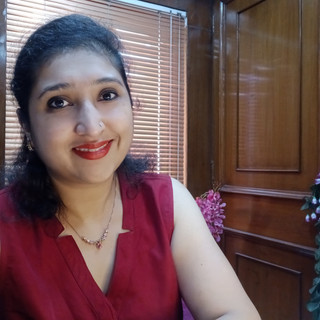
Many clinics in Delhi offer initial consultations to help you decide if the psychologist is a good fit. Book Session Now with Mrs. Shruti Dey (Psychologist & Therapist).
Practical Tips for Managing Anxiety Daily
Alongside professional treatment, these tips can help manage anxiety day-to-day:
Practice deep breathing exercises during stressful moments.
Break tasks into smaller, manageable steps to avoid feeling overwhelmed.
Keep a journal to track anxiety triggers and progress.
Set realistic goals and celebrate small achievements.
Avoid procrastination and maintain a routine.
Engage in hobbies or activities that bring joy and relaxation.
The Importance of Seeking Help
Seeking help for anxiety is a crucial step toward recovery. It is essential to understand that you are not alone in this journey. Many people experience anxiety, and professional support can make a significant difference.
Building a Support Network
Creating a support network can enhance your coping strategies. Friends and family can provide emotional support, while support groups offer shared experiences and understanding. Connecting with others who face similar challenges can reduce feelings of isolation.
The Role of Self-Care
In addition to professional help, self-care plays a vital role in managing anxiety. Engaging in activities that promote relaxation and well-being can significantly impact your mental health. Consider incorporating practices like yoga, meditation, or spending time in nature into your routine.
Long-Term Strategies for Managing Anxiety
Managing anxiety is often a long-term process. Developing effective coping strategies takes time and patience. Regularly reviewing your progress and adjusting your strategies can help you stay on track.
Final Thoughts on Anxiety and Professional Support
Anxiety is a common but manageable condition. Recognizing symptoms early and understanding their causes can guide effective treatment. For those in Delhi, consulting a psychologist offers access to expert care tailored to individual needs. Taking the step to seek help is a sign of strength and the first move toward a calmer, healthier life.
Book Session Now with Mrs. Shruti Dey (Psychologist & Therapist)


Comments