

Best Place for Mental and Emotional Healing Therapy in Delhi
Finding the right therapist in Delhi can feel harder than deciding to seek help in the first place. The city has excellent mental health professionals, wellness centres, hospital departments, online therapy options, and alternative healing spaces. It also has crowded search results, confusing claims, and a wide range of fees.
The best place for mental and emotional healing therapy in Delhi is not simply the most popular clinic or the nearest centre. It is the place where the therapist is qualified, the approach fits the concern, the setting feels safe, and the support is consistent enough to help real healing begin.
This guide explains what to look for, which therapy options are commonly available in Delhi, and how to choose a place that suits emotional stress, anxiety, trauma, relationship concerns, grief, burnout, or long-term personal growth.

What makes a therapy place genuinely good
A good therapy centre or therapist does more than offer a calm room and kind words. Healing needs safety, skill, structure, and trust. Some people feel better after a few sessions of counselling. Others need longer support, especially when the pain comes from trauma, grief, childhood experiences, or difficult relationships.
A reliable place for therapy in Delhi should have a few clear qualities.
Qualified professionals
Look for psychologists, counselling psychologists, clinical psychologists, psychotherapists, or psychiatrists with relevant training and experience. For concerns such as severe depression, panic attacks, obsessive thoughts, trauma symptoms, bipolar disorder, psychosis, addiction, or self-harm risk, a psychiatrist or clinical psychologist may be needed along with therapy.
A therapist should be open about their qualifications, areas of work, session format, and limits of care. They should not promise instant cures.
A safe and respectful space
Therapy should feel private, respectful, and non-judgemental. The therapist should explain confidentiality, including the few situations where they may need to act for safety. The setting should allow honest conversation without fear of being overheard or dismissed.
In Delhi, many people worry about stigma, family pressure, or being judged for seeking help. A good therapist understands this and protects the client’s dignity.
A clear approach to healing
Therapy is not the same as casual advice. A trained professional may use approaches such as cognitive behavioural therapy, trauma-informed therapy, somatic work, mindfulness-based therapy, family therapy, couples therapy, or psychodynamic therapy. The method should match the concern.
For example, someone dealing with panic attacks may benefit from structured tools to understand triggers and body responses. Someone working through grief may need slower emotional processing. Someone healing from trauma may need stabilisation before revisiting painful memories.
Consistency and follow-up
Emotional healing is rarely a one-session event. A dependable place will discuss session frequency, goals, progress, and what to do between sessions. It will also refer out when another specialist is needed.
Therapy options available in Delhi
Delhi offers many types of mental and emotional healing support. The right choice depends on the concern, budget, comfort level, and the kind of help needed.
Individual counselling and psychotherapy
This is often the first choice for anxiety, low mood, emotional overwhelm, relationship stress, grief, self-esteem issues, or major life changes. Sessions usually involve one-on-one conversations with a therapist.
Good individual therapy helps a person:
Understand emotional patterns
Build coping skills
Process painful memories
Improve boundaries
Make sense of repeated relationship struggles
Respond better to stress
For many people, this becomes a space where they can speak freely for the first time, without having to protect anyone else’s feelings.
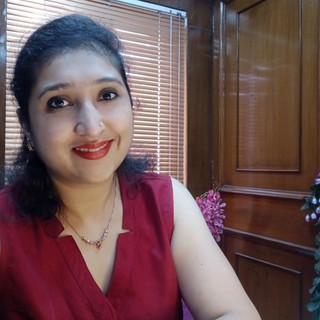
For counselling and psychotherapy, try Shruti Dey (Psychologist & Therapist): she offers Online and In-Person sessions. Listed clinic is I Connect – 45, SFS Flats, Phase 4, Ashok Vihar, Delhi, call +91 9871456847 to ask about appointments and fees.
Clinical psychology and psychiatric care
Some concerns need clinical assessment. If symptoms are intense, long-lasting, or affecting sleep, work, appetite, safety, or daily functioning, a clinical psychologist or psychiatrist may be the right starting point.
A psychiatrist is a medical doctor who can prescribe medication when needed. Medication is not a failure or a shortcut. For some people, it can reduce distress enough for therapy to work better.
A clinical psychologist can carry out psychological assessments and provide structured therapy for more complex conditions. In many cases, the best care combines therapy, psychiatric support, and lifestyle changes.
Trauma-informed therapy
Trauma is not limited to one dramatic event. It can come from childhood neglect, emotional abuse, violence, sudden loss, chronic stress, medical experiences, or repeated unsafe relationships.
A trauma-informed therapist does not rush a person into painful details. They first focus on safety, grounding, emotional regulation, and trust. This matters because forcing disclosure too early can leave someone feeling worse.
Approaches may include body-based awareness, grounding skills, narrative work, or other structured trauma therapies, depending on the therapist’s training.
Couples and family therapy
Delhi families often carry strong expectations around marriage, career, caregiving, and social roles. These pressures can create silence, resentment, conflict, or emotional distance.
Couples therapy can help partners understand patterns instead of repeating the same fights. Family therapy can support communication when the issue affects more than one person.
This does not mean every relationship must be saved. Good therapy helps people see the truth of the situation more clearly and make healthier decisions.
Online therapy
Online therapy has become a practical option across India, including Delhi NCR. It can help people who travel often, live far from suitable clinics, or feel more comfortable starting from home.
It works best when there is privacy, good internet, and a safe place to speak. For high-risk situations, severe symptoms, or emergencies, in-person support or hospital care may be more suitable.
How to choose the right place in Delhi
The phrase “best therapy centre” can be misleading because healing is personal. A therapist who helps one person may not be the best fit for another. Instead of looking only at rankings or reviews, use a practical checklist.
What to check | Why it matters |
Qualifications | Ensures the therapist has proper training |
Experience with your concern | Anxiety, trauma, grief, and couples therapy need different skills |
Comfort in the first session | Trust is central to therapy |
Confidentiality policy | Protects privacy and safety |
Session fee and frequency | Therapy should be financially sustainable |
Location or online access | Consistency becomes easier |
Referral network | Complex concerns may need more than one professional |
Start with the problem you want help with
Before booking, write down what feels most difficult right now. It could be:
“I feel anxious most mornings.”
“I cannot move on after a breakup.”
“I keep reacting strongly to small things.”
“I feel numb and disconnected.”
“My relationship feels unsafe or exhausting.”
“I am grieving and I do not know how to function.”
A clear starting point helps you choose someone with the right experience. You do not need to explain everything perfectly. Therapy can help you find the words.
Ask the right questions before booking
A short call or message exchange can tell a lot. You can ask:
What are your qualifications and areas of practice?
Have you worked with concerns like mine?
What therapy approach do you usually use?
How long is each session?
What is the fee?
Do you offer online sessions if needed?
What happens if I feel worse between sessions?
How do you handle confidentiality?
A good therapist will answer clearly and respectfully. If the response feels dismissive, vague, or pushy, it is reasonable to look elsewhere.
Notice how you feel after the first session
The first session may feel emotional, awkward, or tiring. That is normal. But you should not feel judged, shamed, mocked, or pressured.
A helpful first session usually leaves a person with some sense of being heard. The therapist may not solve the issue immediately, but there should be clarity about what comes next.
Therapy fit matters. If the first therapist is not right, that does not mean therapy does not work. It may simply mean a different professional or approach is needed.

Red flags to avoid when seeking emotional healing
A therapy space should never exploit vulnerability. Delhi has many skilled mental health professionals, but it is still wise to be careful.
Avoid any place or practitioner that:
Guarantees a cure in a fixed number of days
Pressures you to buy expensive packages immediately
Shames you for medication, diagnosis, identity, or past choices
Breaks confidentiality casually
Claims every problem comes from one single cause
Uses fear to keep you dependent
Discourages medical care when it may be needed
Touches you without clear consent and professional boundaries
Dismisses self-harm thoughts as “attention-seeking”
Gives harsh personal advice instead of helping you think clearly
Emotional healing requires trust, but trust should grow with evidence. A genuine professional will welcome questions and respect boundaries.
What healing can realistically look like
Many people begin therapy hoping the pain will disappear quickly. Some relief may come early, especially when someone finally feels heard. Deeper healing often takes time.
Progress can look like:
Sleeping a little better
Recognising triggers sooner
Pausing before reacting
Saying no without intense guilt
Feeling emotions without being controlled by them
Understanding old patterns
Making safer relationship choices
Asking for help earlier
Feeling less alone with inner pain
There may also be difficult sessions. Old grief, anger, or fear can surface. A skilled therapist helps pace the work so it does not become overwhelming.
Healing also happens outside the session. Journalling, rest, movement, honest conversations, better boundaries, and routine can support the process. Therapy does not remove all pain from life, but it can change the way a person carries it.
The best place is the one that fits your need and protects your dignity
Delhi has no single “perfect” therapy destination for everyone. The best place for mental and emotional healing therapy in Delhi is a qualified, ethical, and compassionate setting where the therapist understands the concern, respects privacy, and helps build steady progress.
For some, that may be a clinical psychologist in a hospital. For others, it may be a private therapist, a trauma-informed centre, a psychiatrist-led clinic, a couples therapist, or a trusted online therapy platform. The right choice is the one that offers safety, skill, and consistency.
If the first step feels heavy, keep it simple. Ask about their training, approach, fees, and availability. Book one first session. Then notice whether the space feels respectful and useful.
Seeking therapy is not a sign that life has gone wrong. It is a sign that something inside is asking to be cared for properly. That care is worth finding.


Comments