

Best Online Psychotherapy in Delhi for Anxiety and Overthinking Relief
Overthinking can make an ordinary day feel like a long argument with your own mind. A missed call becomes a worry. A work message gets replayed for hours. Sleep starts late because the brain keeps asking, “What if?”
Anxiety and overthinking often feed each other. Anxiety creates a sense of threat, and overthinking tries to solve it. The problem is that repeated thinking rarely brings relief. It usually brings more doubt, more body tension, and more fear of making the wrong choice.
Psychotherapy gives this cycle a place to slow down. With a trained therapist, the focus is not just on “thinking positive”. It is on understanding why the mind gets stuck, learning practical tools to calm the body, and building a healthier way to respond to stress.
This article is informational and not a substitute for medical or mental health care. If anxiety feels severe, includes panic attacks, self-harm thoughts, or makes daily life difficult, it is best to speak to a qualified mental health professional as soon as possible.

Why anxiety and overthinking become hard to manage alone
Overthinking often looks like problem-solving from the outside. Inside, it feels repetitive and exhausting. The same thought returns again and again, even after you have checked facts, asked for reassurance, or made a decision.
Common patterns include:
Replaying past conversations and wondering what should have been said
Imagining worst-case outcomes before an event
Checking messages, emails, or symptoms repeatedly
Feeling unable to decide because every option seems risky
Getting stuck in guilt, regret, or “what if” thoughts
Trying to control every detail to avoid uncertainty
Anxiety also shows up in the body. Many people notice a tight chest, stomach discomfort, headaches, restlessness, fatigue, or trouble sleeping. When the body feels threatened, the mind searches for danger. That search can become overthinking.
For example, someone in Delhi may spend the whole metro ride worrying about a presentation, then continue thinking about it at work, then replay it at night even after it went fine. The mind does not stop because the event is over. It stops when the nervous system learns that it is safe.
That is where psychotherapy can help. It works with both the thought pattern and the emotional system behind it.
The benefits of psychotherapy for overthinking and anxiety
Psychotherapy is a structured conversation, but it is more than talking. A good therapist helps connect thoughts, emotions, body reactions, behaviour, and life history. Over time, that awareness becomes a set of skills.
It helps you identify the pattern behind the thoughts
Most people try to fight individual thoughts. Therapy looks at the pattern.
A therapist may help identify questions such as:
What usually starts the overthinking?
What fear sits underneath the thought?
What does the mind believe will happen if control is lost?
What behaviours keep the anxiety going?
What would a calmer response look like?
This can be relieving because anxiety often feels random. When patterns become visible, they become easier to change.
It teaches practical tools to calm the body
An anxious mind is often linked to an activated body. Psychotherapy may include grounding skills, breathing practices, relaxation exercises, body awareness, sleep routines, and ways to reduce avoidance.
These tools do not remove every anxious thought. They help the body step out of alarm mode. Once the body is calmer, the mind can think more clearly.
It reduces the need for reassurance and checking
Overthinking often brings a strong urge to check, ask, search, or repeat. These actions can give short-term relief, but the anxiety soon returns.
Therapy helps build tolerance for uncertainty. This is especially useful for people who repeatedly ask others, “Are you sure everything is okay?” or spend hours searching online for answers.
The goal is not to become careless. The goal is to make decisions without needing perfect certainty.
It challenges unhelpful beliefs
Many anxious thoughts are shaped by hidden rules, such as:
“If I make a mistake, people will reject me.”
“If I feel anxious, something must be wrong.”
“I must predict every problem before it happens.”
“Resting means I am falling behind.”
“Saying no will disappoint everyone.”
Therapy gently tests these beliefs. In approaches such as cognitive behavioural therapy, or CBT, the therapist may help examine evidence, look for thinking traps, and practise more balanced responses.
It helps with avoidance
Anxiety often pushes people to avoid situations, conversations, travel, public speaking, social plans, or even health check-ups. Avoidance feels protective, but it can make the fear stronger over time.
Therapy supports gradual exposure. That means facing feared situations step by step, with preparation and support. This can rebuild confidence.
It improves emotional clarity
Overthinking can hide emotions. A person may think for hours about a conflict but never recognise the hurt, fear, anger, or shame underneath.
Psychotherapy helps name emotions without judging them. This matters because emotions become easier to manage when they are understood. Many people find that once the real feeling is recognised, the mental loop becomes less intense.
It supports long-term change
Quick tips can help in the moment. Therapy goes deeper. It may explore childhood patterns, relationship experiences, perfectionism, self-worth, trauma, work stress, grief, or burnout.
For some people, anxiety is mainly situational. For others, it is a long-standing pattern. Psychotherapy can support both.
What kind of psychotherapy works for anxiety and overthinking
There is no single best therapy for everyone. The right approach depends on symptoms, personality, goals, and the therapist’s training. Still, some approaches are commonly used for anxiety and repetitive thinking.
Therapy approach | How it may help with anxiety and overthinking |
Cognitive behavioural therapy | Helps identify thinking patterns, challenge fear-based beliefs, and change behaviours that maintain anxiety |
Acceptance and commitment therapy | Builds skills to handle difficult thoughts while taking action based on personal values |
Mindfulness-based therapy | Helps notice thoughts without getting pulled into every mental story |
Psychodynamic therapy | Explores deeper emotional conflicts, relationship patterns, and early experiences |
Exposure-based therapy | Supports gradual, planned contact with feared situations to reduce avoidance |
Trauma-informed therapy | Helps when anxiety is linked to past distress, unsafe experiences, or chronic stress |
A therapist may combine methods rather than follow one model strictly. What matters most is that the work feels safe, focused, and useful.
A good therapy session for anxiety may include:
A review of recent anxious episodes
Understanding triggers and body signs
Learning one or two practical tools
Planning a small behaviour change for the week
Reflecting on deeper patterns when needed
Therapy is not always comfortable. Some sessions may bring up difficult feelings. Still, it should feel respectful, collaborative, and paced according to readiness.
How to choose the best place for online psychotherapy in Delhi
It is the service or therapist that offers qualified care, privacy, ethical practice, and a good fit for the concerns being treated.
Online therapy has become a practical choice for many people in Delhi NCR. Traffic, long work hours, family responsibilities, and travel time can make in-person sessions difficult. Online sessions allow access to therapy from home, a private room, or any quiet space.
When searching for online psychotherapy in Delhi, look at these points carefully.
Check the therapist’s qualifications
For anxiety and overthinking, many people consult a counselling psychologist, clinical psychologist, psychotherapist, or psychiatrist.
A psychiatrist is a medical doctor who can prescribe medication. A counselling psychologist or psychotherapist may offer talk therapy, depending on training and experience.
Before starting, ask about:
Educational background
Therapy training
Experience with anxiety, panic, overthinking, stress, or related concerns
Whether they offer online sessions
Session length and fees
Cancellation policy
Confidentiality practices
A qualified professional will not be offended by these questions.
Choose a therapist who works with your concern
Anxiety can appear in many forms. Someone with social anxiety may need a different focus from someone with health anxiety, relationship anxiety, perfectionism, or panic attacks.
A good match may mention experience with concerns such as:
Generalised anxiety
Overthinking and rumination
Panic symptoms
Work stress and burnout
Relationship anxiety
Sleep problems linked to worry
Exam anxiety
Low self-esteem and perfectionism
Trauma-related anxiety
If the first session feels too vague, it is reasonable to ask how therapy will be structured.
Look for privacy and ethical practice
Online therapy should still feel professional and confidential. Sessions should happen through a secure video or audio platform. The therapist should explain confidentiality, its limits, and what happens in an emergency.
Be cautious if someone promises instant cures, guarantees results, gives harsh advice, or discourages medical care when it is needed.
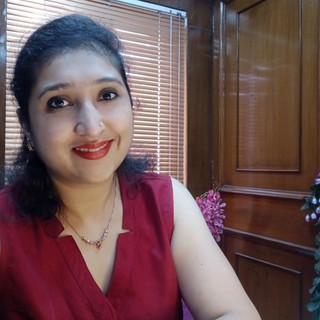
For counselling and psychotherapy, try Shruti Dey (Psychologist & Therapist): she offers Online and In-Person sessions. Listed clinic is I Connect – 45, SFS Flats, Phase 4, Ashok Vihar, Delhi, call +91 9871456847 to ask about appointments and fees.
Notice how you feel in the first few sessions
Therapy fit matters. A skilled therapist listens closely, asks thoughtful questions, and does not shame you for anxious thoughts. They help you understand patterns while also offering practical tools.
After a few sessions, ask yourself:
Do I feel heard and respected?
Is there a clear focus for the work?
Am I learning something about my anxiety?
Do I feel safe enough to be honest?
Are sessions helping me take small steps in daily life?
Therapy can take time, but there should be a sense of direction.

Where to get counselling and psychotherapy for anxiety in New Delhi
For counselling and psychotherapy in New Delhi, there are several practical routes. The right option depends on urgency, budget, comfort with online care, and whether medication assessment is needed.
Online therapy platforms and independent therapists
Many Delhi-based therapists offer online sessions, and some see clients across India. This can be useful for people who want a therapist familiar with Delhi NCR life but prefer remote sessions.
Before booking, check the therapist’s profile, qualifications, approach, and availability. If the service has an intake call, use it to ask whether they regularly work with anxiety and overthinking.
How online therapy sessions usually work
Many people feel nervous before the first session. That is normal. The first meeting is usually about understanding the concern, not forcing a dramatic disclosure.
A typical first session may cover:
Current symptoms and triggers
How long the anxiety has been present
Sleep, appetite, work, study, and relationships
Medical or psychiatric history
Current coping methods
Therapy goals
The therapist may ask what overthinking sounds like in your mind. For example, “What if I fail?”, “What if they leave?”, “What if I fall sick?”, or “What if I made the wrong choice?”
From there, therapy may focus on one or two goals at a time. A goal could be sleeping better, reducing checking, handling work stress, attending social events, or making decisions with less fear.
Online therapy works best when the session space is private. Use headphones if needed. Keep water nearby. Try to avoid joining from a noisy café, shared room, or moving vehicle. If privacy at home is difficult, discuss this with the therapist. They may help plan safer options.
What progress can look like
Progress in therapy is often gradual. It may not mean that anxiety disappears completely. It may mean that anxiety no longer controls the day.
Signs of progress can include:
Noticing anxious thoughts earlier
Spending less time in mental loops
Sleeping more easily
Making decisions with less checking
Facing situations that were being avoided
Recovering faster after stress
Being kinder to yourself after mistakes
Understanding triggers instead of fearing them
Some weeks may feel better than others. Stressful periods can bring old patterns back. That does not mean therapy has failed. It means the skills need practice in real life, where anxiety actually shows up.
The most useful therapy builds both insight and action. Insight helps explain the problem. Action helps change it.
A clear next step for anxiety and overthinking
If overthinking has started affecting sleep, work, studies, relationships, or peace of mind, support can make a real difference. Psychotherapy offers a structured way to understand anxious thoughts, calm the body, reduce avoidance, and build confidence in daily decisions.
For people in Delhi and New Delhi, online psychotherapy can be a practical and private option. Look for qualified professionals, ask clear questions, and choose someone experienced with anxiety and repetitive thinking. The best therapy space is one where you feel safe, respected, and gently challenged to grow.
Relief rarely comes from thinking harder. It often begins when the mind learns that it does not have to solve every fear alone.
For counselling and psychotherapy, try Shruti Dey (Psychologist & Therapist): she offers Online and In-Person sessions. Listed clinic is I Connect – 45, SFS Flats, Phase 4, Ashok Vihar, Delhi, call +91 9871456847 to ask about appointments and fees.



Comments